

Few assets attract as much excitement — or as much confusion — as Bitcoin. Stripped of the slogans, it is an experiment in digital money that no single company or government controls.
What is a blockchain?
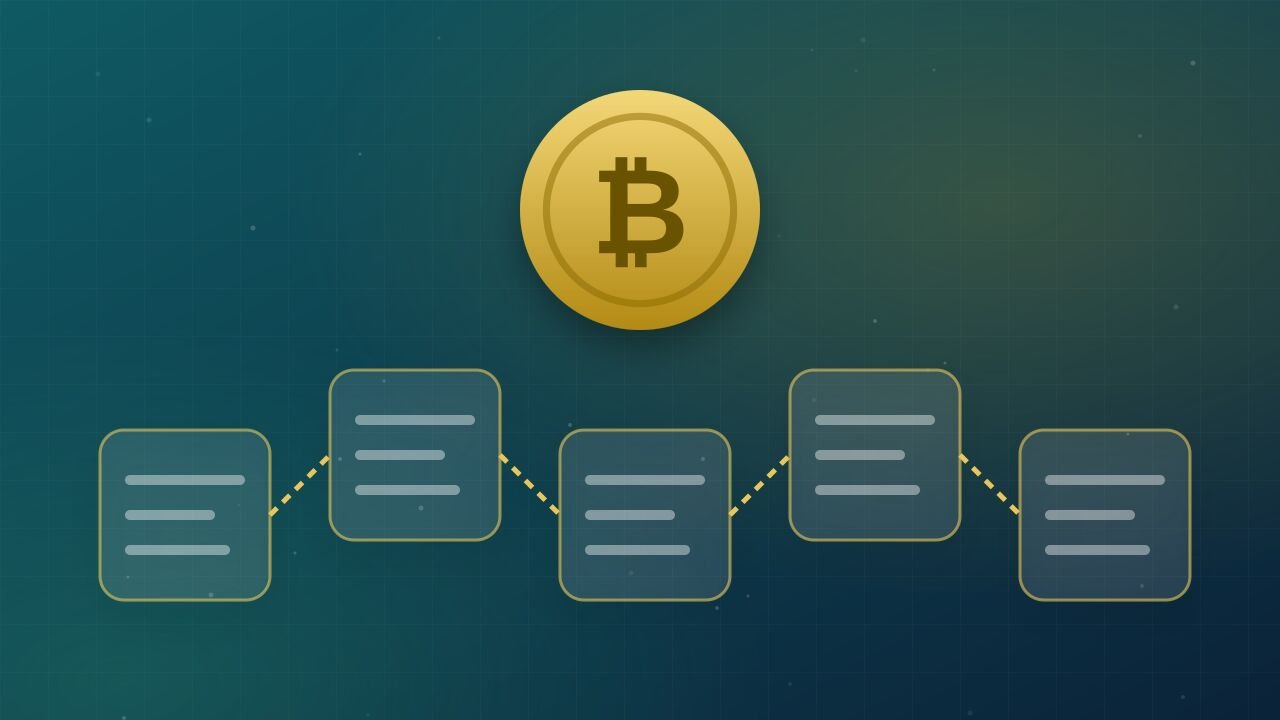
A blockchain is a shared record of transactions, copied across thousands of computers. New transactions are grouped into blocks, and each block is cryptographically linked to the one before it, which makes quietly rewriting history extremely difficult.
Why Bitcoin is described as scarce
The Bitcoin protocol caps the total supply that can ever be created, and new coins are issued on a predictable, declining schedule. Supporters see this as protection against debasement; critics point out that scarcity alone does not create value.
The risks to take seriously
- Volatility: large price swings are common, in both directions.
- Custody: lost keys or a failed exchange can mean permanently lost funds.
- Regulation and tax: rules differ by country and can change; check current treatment where you live.
- Scams: fake apps, "guaranteed return" schemes and impersonation are widespread.
If you choose to invest
Treat crypto as a high-risk satellite holding, not the core of your plan. Size it so that a large fall would not derail your goals, use reputable, compliant platforms, and never invest borrowed money.





Join the discussion